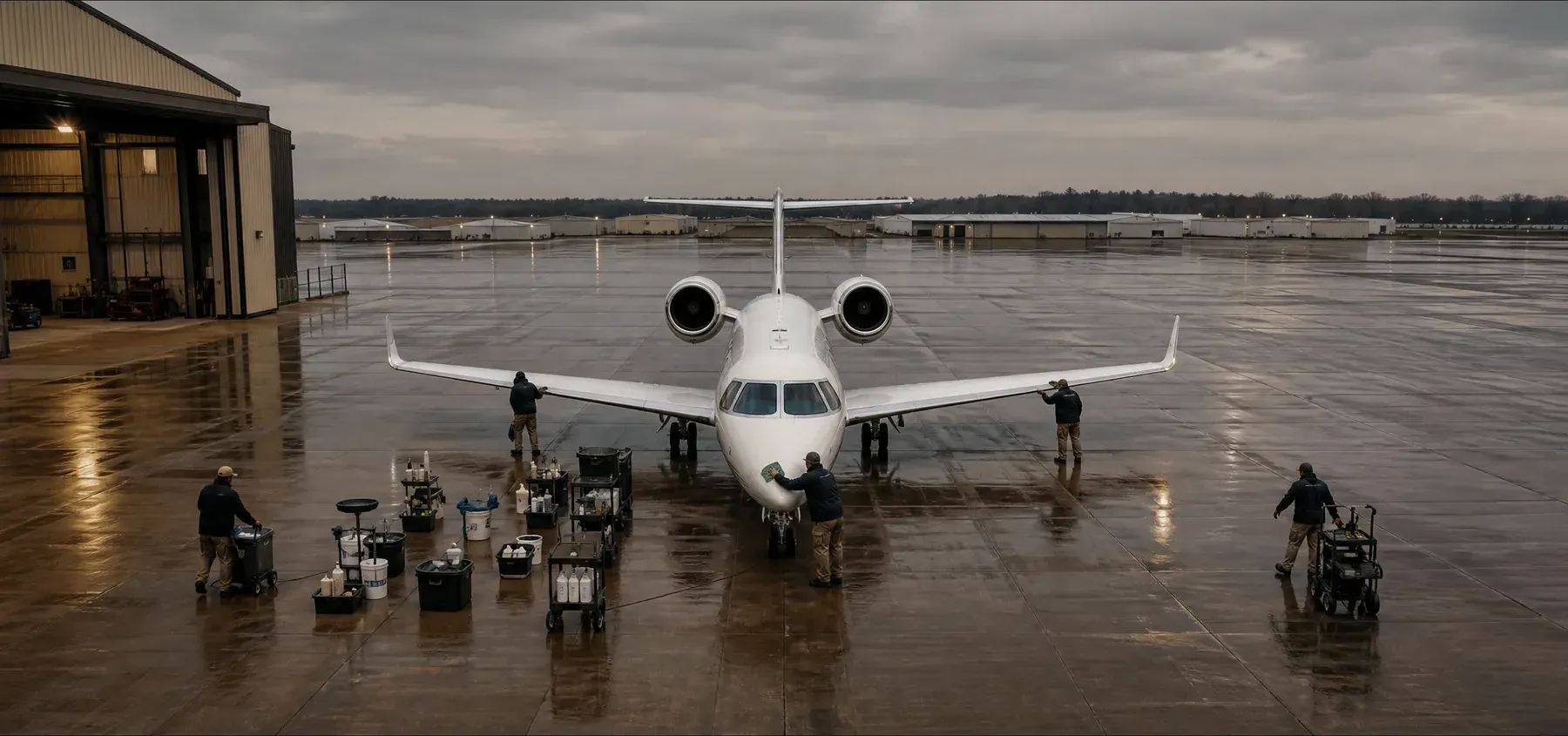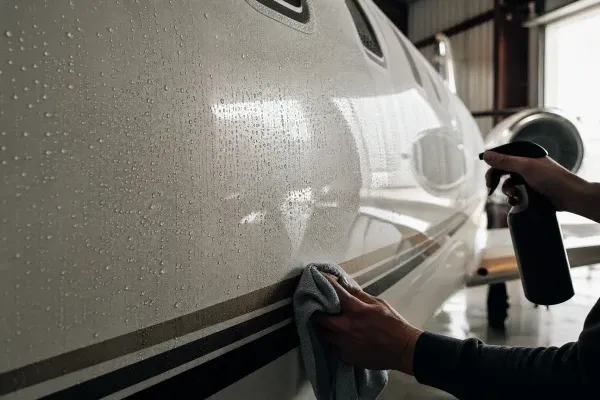
Aircraft ceramic coating is one of the most common questions owners and flight departments ask when their paint starts to look tired. It is also one of the most misunderstood. Some people think it is a wax. Some think it is a repaint. It is neither. This guide explains what a ceramic coating actually does for an aircraft based in the Northeast, what it costs you in ground time, and how to decide whether it is worth doing on your airframe.
What Is Aircraft Ceramic Coating?
A ceramic coating is a liquid that bonds to the paint on your aircraft and hardens into a clear protective layer. Once it cures, it is part of the surface. You cannot wash it off. That layer does three things. It repels water, so rain and mist slide off instead of sitting on the paint. It blocks ultraviolet light, which is what fades and chalks paint over time. And it resists chemicals, so jet exhaust, hydraulic fluid, and deicing fluid have a harder time staining the finish underneath. Wax does some of this for a few weeks. A polymer sealant does it for a few months. A ceramic coating does it for years. That is the whole difference. At JetSpa, coatings come in three warranty lengths: one year, two year, and five year. The longer the warranty, the more preparation work goes in underneath and the more product goes on top.
How Much Does Aircraft Paint Cost to Replace?
This is the number that makes the decision easy for most owners. Repainting a midsize business jet is a major expense and takes the aircraft out of service for weeks, not days. The aircraft goes to a paint shop. It gets stripped. It gets primed and sprayed and cured. Then it comes back and you start the clock again on a brand new finish that will oxidize just like the last one did. A ceramic coating does not stop paint from aging. Nothing does. What it does is slow the process down enough that you push the repaint further into the future. If a coating buys you even two extra years before a repaint becomes necessary, it has already paid for itself several times over. That is the real argument. Ceramic coating is not about how the aircraft looks on the ramp this week. It is about protecting an asset you already paid for.
What Does Ceramic Coating Protect Against in the Northeast?
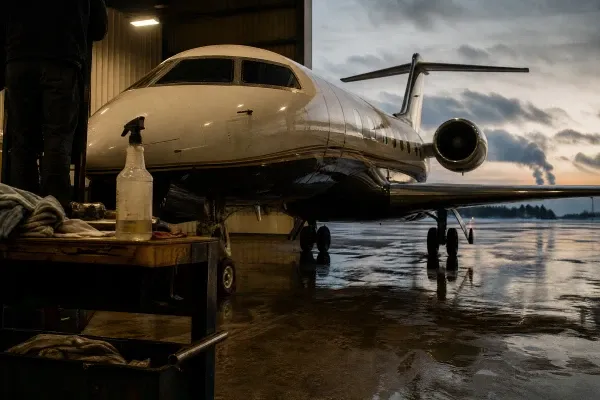
The Northeast is hard on aircraft paint in specific ways, and where your aircraft lives changes what it faces. At Teterboro, the ramp never stops. Aircraft are moving constantly, which means a fine layer of jet exhaust settles onto every parked airframe on the field. Exhaust residue is acidic. Left alone, it etches into clear coat. At Morristown, the bigger problem is winter. Deicing fluid is sprayed on aircraft all season, and it does not simply rinse away. It runs into panel seams, sits against paint, and works on the finish long after the flight is over. At Lehigh Valley in Allentown, more aircraft sit outdoors on tie downs rather than in hangars. Outdoor aircraft take the full load of ultraviolet exposure every single day, plus industrial fallout from the surrounding area and agricultural dust during growing season. At White Plains, moisture is the issue. The corporate corridor north of Manhattan carries humidity that keeps water sitting on paint surfaces longer, and standing water is what causes water spotting and oxidation. A coated aircraft handles all four of these better than an uncoated one. Contaminants sit on top of the coating instead of bonding to the paint, which means they come off during a routine dry wash instead of needing aggressive correction later.
How Long Is Your Aircraft Grounded After Ceramic Coating?
Twenty four to forty eight hours. Every time. No exceptions. During that window the aircraft cannot fly. It cannot be washed. It cannot sit out in rain. The coating is still hardening, and moving the aircraft too early means the coating does not bond properly. When that happens it fails, and fixing it costs more than the original job. This is the part some contractors do not mention until after the work is done. Karan Gogna built the JetSpa process so the grounded hours are stated before the quote is signed, because a flight department that loses a scheduled departure over a detailing job has every right to be furious about it. Plan the coating around a maintenance window or a stretch when the aircraft is already down. If you are also doing brightwork polishing or boot work, do it in the same window. The aircraft is already grounded, so you are getting those services essentially for free in terms of downtime.
Which Ceramic Coating Warranty Should You Choose?
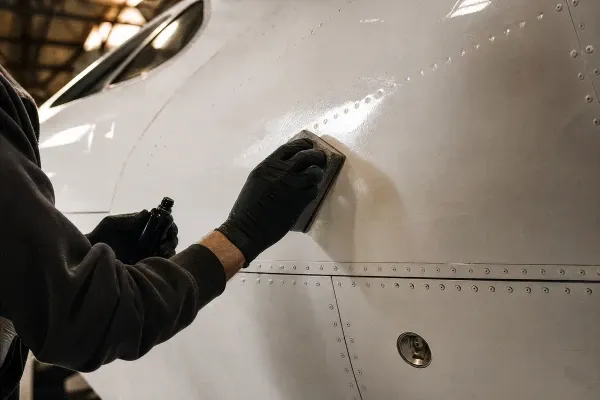
The right answer depends on three things. How long you plan to keep the aircraft. If you expect to sell within two years, a five year coating is money spent on the next owner. A one year or two year product makes more sense. Where the aircraft lives. Hangared aircraft face less ultraviolet exposure and less weather. They hold a coating longer. An aircraft on an outdoor tie down at Lehigh Valley works its coating much harder than one in a hangar at Teterboro. How much you fly. More cycles means more exhaust, more deicing in winter, and more contact with weather at altitude. High usage aircraft benefit from longer warranty products. Longer warranty coatings also require more preparation. A five year product needs the paint corrected properly first, because whatever imperfection is under the coating is locked in for five years. That preparation is where most of the labor lives.
Is Aircraft Ceramic Coating Worth It?
For most aircraft in the Northeast, yes. Here is the honest version of when it is not. It is not worth it if the paint is already failing. If your clear coat is delaminating or the paint is cracking, a coating seals a problem in place rather than fixing it. That aircraft needs paint work first. It is not worth it if you are selling in the next few months and the buyer is likely to repaint anyway. It is worth it if the paint is sound, you plan to keep the aircraft, and you are tired of watching a finish you paid for slowly go dull. JetSpa was founded by Karan Gogna, who spent more than a decade serving high value clients in private ground transportation before moving into aviation. He committed to the certifications, the insurance, and the full equipment stack before taking a single paid booking. That is why every technician working out of the Alpha, New Jersey shop holds an Aircraft Detailing Specialist certification from the Aircraft Detailing Association, and why no product goes on an aircraft unless the airframe manufacturer approved it first. Whether the aircraft is a corporate jet based at Teterboro or a piston single tied down in Allentown, the standard is the same.